Science
Science teaches an understanding of natural phenomena through the disciplines of chemistry, physics and biology. It aims to stimulate a child's curiosity in finding out why things happen in the way they do. It teaches methods of enquiry and investigation to stimulate creative thought. Children learn to ask scientific questions and begin to appreciate the way in which science will affect them on a personal, national and global level.
We aim for our pupils to be equipped with the scientific skills and knowledge required to understand the uses and implications of science today and in the future.
At Netherseal St. Peter’s Primary School, we believe that every child should learn about science in a way that is engaging, educational and relevant. By the time they leave primary school, children need the right knowledge and investigative skills for their secondary education. It is important that they are able to see the relevance of science in their own lives, and imagine future science related careers based upon it.
Science is taught throughout the year in a cross curricular, thematic ‘block’ which enables children to make subject links and utilise their preferred learning styles.
We recognise the importance of acquiring key knowledge and believe that the content of lessons should be as memorable as the activity. Our science curriculum provides in-depth coverage of all units with a look back, look forwards approach. Content is sequenced so that it is spaced, revisited and builds on previous learning, providing a memory schema for committing knowledge to long term memory.
Click here for our Science Policy
Click here for our Science Content Progression
Click here for our EYFS Science Curriculum
Click here for our Science Skills Progression
Science Units:
Electricity
Light
Plants and Animals
Forces
Materials
Inclusion
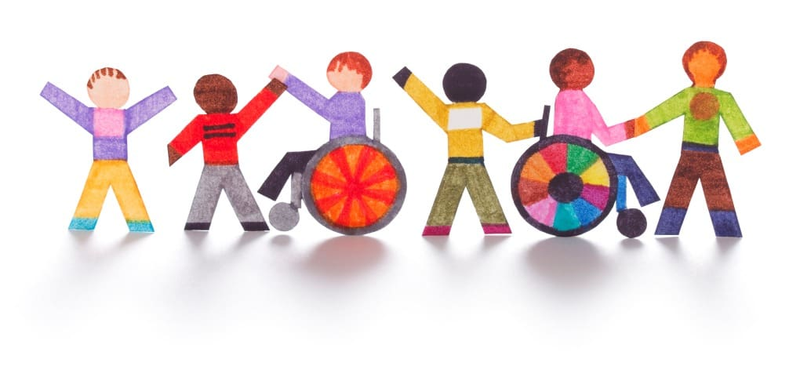
Inclusion in primary school science means ensuring all pupils, regardless of their background or learning needs, have equal access and opportunities to learn science. This involves adapting teaching methods, materials, and learning environments to cater for diverse learners and address potential barriers to learning:
- Celebrating diversity in science, highlighting a wider range of scientists and their contributions
- Connect science topics to pupils' home environments, cultural backgrounds, and interests. For example, a lesson on sound could begin with the sounds students hear on their way to school; a lesson on light could be linked to Diwali
- Explicitly teach scientific vocabulary and provide structured opportunities for pupils to explain their thinking and reasoning verbally
- Emphasise experimental activities and practical skills to make learning more accessible and engaging, especially for pupils who may struggle with traditional written work
- Visual displays to support learning including key vocabulary
- Clear structures and routines
- Social scripts
- Visual timetables
- Pupils strategically paired
- Collaboration - talking partners/groups within lessons
- Adapted/differentiated small group work
- Breaking down the components into manageable chunks for pupils who find learning more difficult, particularly those with cognition and learning needs. These may be smaller ‘steps’ than those taken by other pupils to avoid overloading the working memory
- Sensitivity to how noises affect pupil’s sensory processing capabilities
- Sensory audits for specific children using ‘Derbyshire Sensory Toolkit’
- Additional adult to help manage organisation, spot a child’s triggers and what the child looks like in a heightened state of anxiety and to break tasks down
- Help children to manage their arousal levels but allow them ‘time out’ when they show they are in need of a break from the lesson. Allow children to have planned and unplanned sensory breaks or use fiddle toys that won’t disrupt other children when necessary
- For children with hearing impairment, all barriers to lip-reading are removed ensuring the child can clearly see the teacher. Physical demonstrations what to do rather than relying on verbal instructions
- Ear defenders used for pupils with hypersensitivity to noise and sounds
- Physical space and equipment are accessible
- Coloured paper/ backgrounds/overlays used to reduce ‘glare’
- Large font sizes and double line spacing used where appropriate
- Colour-coded text, coloured paper, overlays
- Advisory specialist teacher support for children with hearing/visual and physical impairment
British Science Week 2024's theme was ‘Time’. Pupils worked in vertical groups to investigate the swing of a pendulum, explore the lifecycle of a butterfly and design a Farm of the Future. In the afternoon, all pupils split into two teams to research theories surrounding the extinction of dinosaurs. They then came together to take part in The Great Dinosaur Debate. Staff were really impressed with their questioning, reasoning and debating skills!
Key Stage 2 took part in the Rolls Royce science festival where they made periscopes and resistant putty and learnt about buoyancy and ballast in submarines.
Class 2 grew a rainbow and did an experiment to mix the colours of fruity sweets on their science afternoon. The shells of the coloured sweets are made from sugar so when the warm water was added, they dissolved. As the colours met, they mixed to make new colours!
Pupils created posters during British Science Week based on 'Innovating for the Future'.

Class 3

Class 2

Class 1